The Journey From Basic to Cutting-Edge
Event technology started with simple projectors, sound systems, and LED walls. As events became more digital, interactive solutions like live polling and gamification emerged. The rise of social media integration, AI-powered interactions, and mobile-first experiences has changed the industry. Today, event tech enhances engagement through augmented reality, facial recognition, and real-time analytics, offering event organizers valuable insights into audience behavior and participation.
Tech Trends in the Last 5 Years
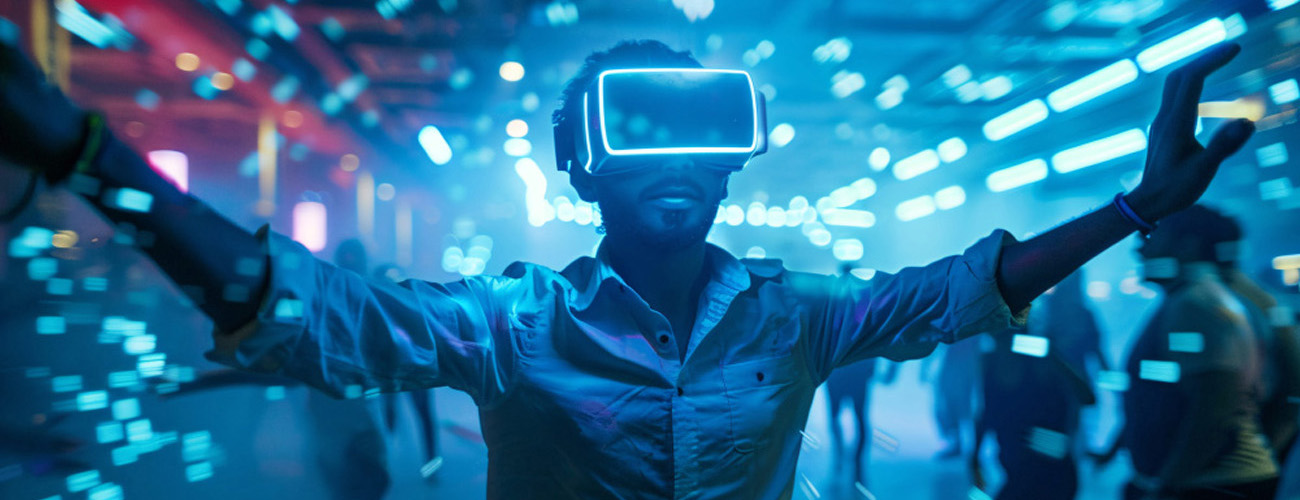
The event industry has witnessed a massive shift in technology adoption over the last five years. Innovations like AI-driven engagement tools, virtual and hybrid events, interactive photo booths, and AR/VR experiences have enhanced audience interaction. Live streaming and immersive experiences have become essential, making events more accessible and engaging for global audiences.
The Journey of Tech in Event Engagement
Technology has always played a crucial role in elevating events, but its impact has grown exponentially in the last decade. Initially, event tech focused on logistics, ticketing, and basic AV setups. The introduction of social media integration and interactive screens transformed engagement strategies. The rise of experiential technology, such as 360-degree video booths, augmented reality activations, and AI-powered networking, has revolutionized audience participation. Today, data-driven insights and AI personalization allow event organizers to craft hyper-targeted experiences. From the early days of simple digital registration systems to today’s AI-driven interactions, event technology has evolved into an indispensable tool for engagement and brand amplification.
5 Key Event Technology Use Cases
Technology | Use Case | Event Type | Key Benefit |
AI Chatbots | Automated event queries and attendee assistance | Corporate Conferences | Improved engagement & efficiency |
360 Video Booth | Immersive social media-friendly content creation | Weddings & Activations | Higher social media reach |
RFID/NFC Badges | Contactless entry & real-time tracking | Trade Shows & Expos | Better crowd management |
AR/VR Experiences | Virtual product demos & immersive experiences | Product Launches | Increased brand interaction |
Live Polling & Q&A | Real-time audience feedback & engagement | Seminars & Webinars | Enhanced participation |
Emerging Event Technology
Looking ahead, several emerging technologies are set to redefine event experiences. AI-powered personalization will enable customized event journeys based on user preferences. Holographic projections will create ultra-realistic keynote speeches and performances. Blockchain ticketing will enhance security and prevent fraud, while hybrid event platforms will continue to evolve, integrating metaverse elements for a truly immersive experience.
Impact of Socially Connected Event Tech in Lead Generation
Event technology has transformed lead generation strategies, making it easier to capture, track, and retarget audiences. For example, RFID-based smart badges at trade shows help organizers track attendee behavior and preferences. Social media-integrated booths, such as a 360 Video Booth, encourage users to share branded content, increasing event visibility. A case study from a leading brand activation event revealed that implementing interactive digital engagement tools increased social media impressions by 200% and improved lead conversion rates by 35%. By leveraging these technologies, brands can seamlessly transition from event engagement to post-event retargeting, ensuring continued interaction with attendees long after the event ends.
Physical Task-Based Event Tech
Blending traditional physical activities with technology enhances engagement and interactivity. Some innovative implementations include | Voice-Based Engagement: A decibel meter challenge measures audience cheers or participant voices, adding energy to the event.
Movement-Based Gamification | Attendees participate in jump/squat counters, tracking the highest number of jumps or sit-ups within a time limit.
Reaction-Based Tasks | Interactive setups like tap-to-win stations test attendees’ reflexes by asking them to tap targets as they light up.
Task-Oriented Challenges | Cycling, walking, or running stations are integrated with digital leaderboards, rewarding top performers with branded incentives. These activities foster engagement while promoting health and wellness.
Final Thoughts
Event technology is not just about enhancing engagement; it’s a strategic tool for data collection, lead conversion, and long-term audience interaction. As tech continues to evolve, event organizers must leverage these innovations to create impactful and memorable experiences.