
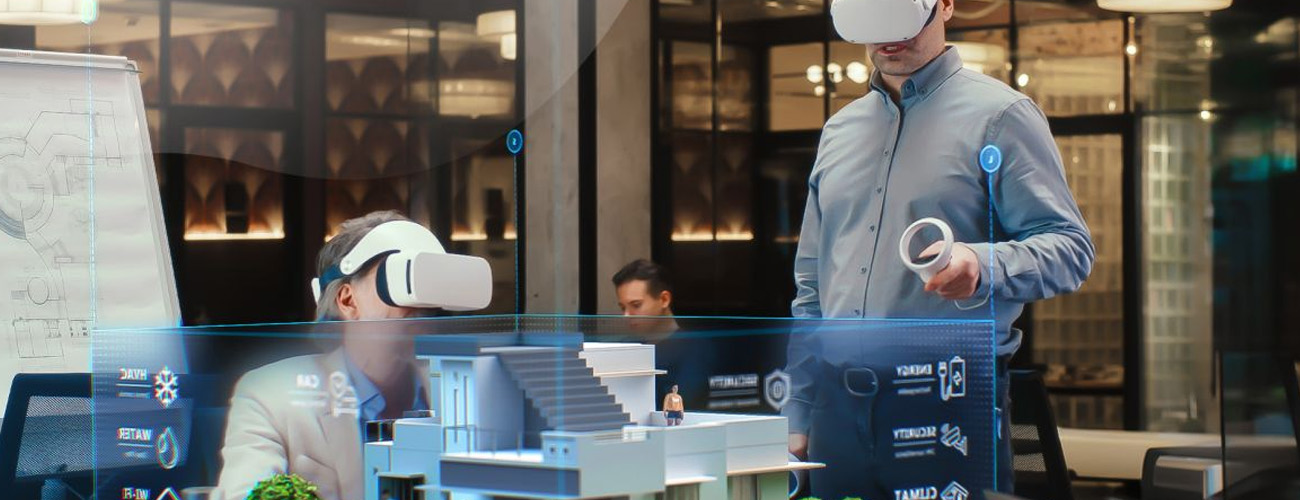
In today’s competitive real estate landscape, builders and developers must go beyond traditional marketing to capture buyer interest. While brochures and physical site visits remain relevant, modern buyers seek engaging and immersive experiences before making property decisions. Event technology offers innovative solutions that enhance customer engagement, simplify property showcases, and drive stronger brand recall.
By integrating interactive digital tools at exhibitions, experience centers, and real estate expos, developers can create a lasting impression on potential buyers. From virtual reality walkthroughs to social-sharing-enabled installations, tech-driven activations can significantly boost lead generation and brand visibility. Let’s explore how event technology can revolutionize real estate marketing across four critical touchpoints.
1. Project Showcase: Bringing Properties to Life
When showcasing a new project, visuals and models are not always enough to capture the imagination of potential buyers. Interactive digital installations can turn static displays into dynamic experiences, helping buyers visualize the project better.
- Tech Solution: Augmented Reality (AR) models, touchscreen kiosks, and 3D projection mapping
- How It Helps: Buyers can explore a project’s layout, amenities, and interiors interactively rather than relying on paper brochures.
- Benefit: Enhanced engagement and better understanding of the project, leading to improved buyer confidence.
For instance, an AR-based installation at a sales gallery can allow visitors to point their phone at a physical model and see real-time changes, such as lighting effects, interior views, or even how the project will look after completion.
2. Exhibition Experience Centre: Creating Immersive Brand Engagement
Real estate expos and industry exhibitions are crowded with multiple developers vying for attention. Standing out requires engaging booth experiences that attract and retain visitors.
- Tech Solution: Interactive LED walls, motion sensor games, and digital carousels
- How It Helps: These experiences make exhibition booths more inviting and interactive, encouraging deeper engagement with brand storytelling.
- Benefit: Higher footfall, increased brand recall, and prolonged visitor interaction.
For example, developers can use motion-tracking walls that respond to movement, displaying project highlights or key selling points dynamically as visitors walk past. This ensures passive yet effective engagement.
3. VR Walkthrough: Touring a Property Without Being There
One of the biggest barriers in real estate sales is location. Many buyers find it inconvenient to visit multiple sites before shortlisting properties. Virtual reality (VR) walkthroughs solve this challenge by offering an immersive property tour from anywhere.
- Tech Solution: VR headsets, 360-degree property tours, and interactive floor plans
- How It Helps: Buyers can experience the scale, layout, and aesthetics of a property remotely.
- Benefit: Saves time for both buyers and sales teams, accelerates decision-making, and increases engagement from outstation or NRI clients.
Luxury developers, in particular, have successfully used VR showroom tours where potential customers can explore penthouses and villas in high detail without needing to visit the site in person.
4. Leads via Social Sharing: Turning Visitors into Brand Ambassadors
In the digital age, the best marketing happens through user-generated content. When visitors share their experiences at a real estate event, the reach extends far beyond the venue. Social-sharing-enabled installations encourage attendees to engage with the brand and promote it to their network.
- Tech Solution: Selfie booths, 360-degree spin video booths, and branded AR filters
- How It Helps: Visitors capture branded content and share it across social media platforms.
- Benefit: Organic brand promotion, increased online visibility, and word-of-mouth marketing.
A prime example is a luxury developer using a “Dream Home” selfie booth, where visitors take AI-generated photos of themselves inside a virtual version of their potential new home. This creates an emotional connection and encourages instant social sharing.
Learnings & The Future of Real Estate Marketing
Integrating event technology into real estate marketing is no longer optional—it’s essential. By leveraging interactive tools, developers can enhance project presentations, improve exhibition engagement, simplify property tours, and increase lead generation through social media.
As technology continues to evolve, forward-thinking real estate brands will incorporate even more AI-driven personalization, holographic displays, and metaverse experiences to further transform buyer engagement. The key takeaway? The future of real estate sales is immersive, interactive, and experience-driven.
Are you ready to elevate your real estate marketing with cutting-edge event tech? Let’s discuss how Pixilo can bring your vision to life!